
Things I Wish I Knew Before I Became a Realtor® Series
When I decided to become a realtor, I was excited. I had passed the state exam, received my license, and was convinced the hard part was over. I was finally ready to start my new career.
I couldn't have been more wrong.
Getting my license didn't mean I knew how to be a realtor. It simply meant I had met the minimum requirements to enter the profession. The real education didn't begin until I started working with actual buyers and sellers.
Getting Licensed Is Only the Beginning
Real estate school taught me the laws, contracts, and enough information to pass the licensing exam. What it couldn't teach me was how to calm a nervous first-time buyer, explain why an inspection report isn't a list of deal killers, negotiate a repair request, or tell a seller their home was overpriced.
Those lessons don't come from a textbook. They come one transaction at a time.
Getting your license doesn't make you an expert. It simply gives you the opportunity to become one.
Most of the Job Happens Behind the Scenes
Most people see the fun part—the showings, the "For Sale" sign, and the closing photo with everyone smiling and holding keys.
They don't see the hours spent answering questions, coordinating inspections, talking with lenders, reviewing documents, working with the title company, tracking deadlines, and solving problems before they become bigger problems.
A smooth closing usually looks effortless because someone worked very hard to make it that way.
The Responsibility Is Bigger Than You Expect
One of the biggest surprises was the amount of responsibility that comes with the job.
Clients rely on you to guide them through one of the largest financial decisions they'll ever make. They expect you to explain the process, anticipate problems, recommend trusted professionals, and help them make informed decisions.
I didn't fully appreciate that responsibility until I had clients depending on me.
You Don't Have to Know Every Answer
New agents often feel pressure to know everything.
The truth is, even experienced agents run into situations they've never seen before. The difference is that they know where to find the answer, and they aren't afraid to ask for help.
Calling your broker, another agent, a lender, or a title company isn't a weakness—it's part of being a professional.
Communication Is What Clients Remember
Looking back, I wish I had spent less time worrying about memorizing contracts and more time learning how to communicate.
Clients rarely remember which paragraph of the contract you explained. They remember whether you returned their calls, kept them informed, listened to their concerns, and made them feel comfortable during what can be a very stressful process.
Knowledge earns confidence. Communication earns trust.
My Advice to Every New Realtor
If I could offer one piece of advice to someone thinking about becoming a realtor, it would be this:
Don't be discouraged by everything you don't know.
Every experienced agent started exactly where you are. Ask questions. Keep learning. Be willing to admit when you don't know something, then go find the answer.
Your clients don't expect perfection. They expect honesty, professionalism, and someone who genuinely has their best interests at heart.
Final Thoughts
After all these years, I still learn something new. That's one of the reasons I enjoy this profession so much. Real estate is always changing, and every transaction teaches you something you didn't know before.
Looking back, that's probably the biggest lesson of all—and it's something I wish I had known before I became a realtor.
What do you wish someone had told you before you became a realtor? I'd love to hear your thoughts in the comments.
Stop Trying to Convince FSBO Sellers They're Wrong
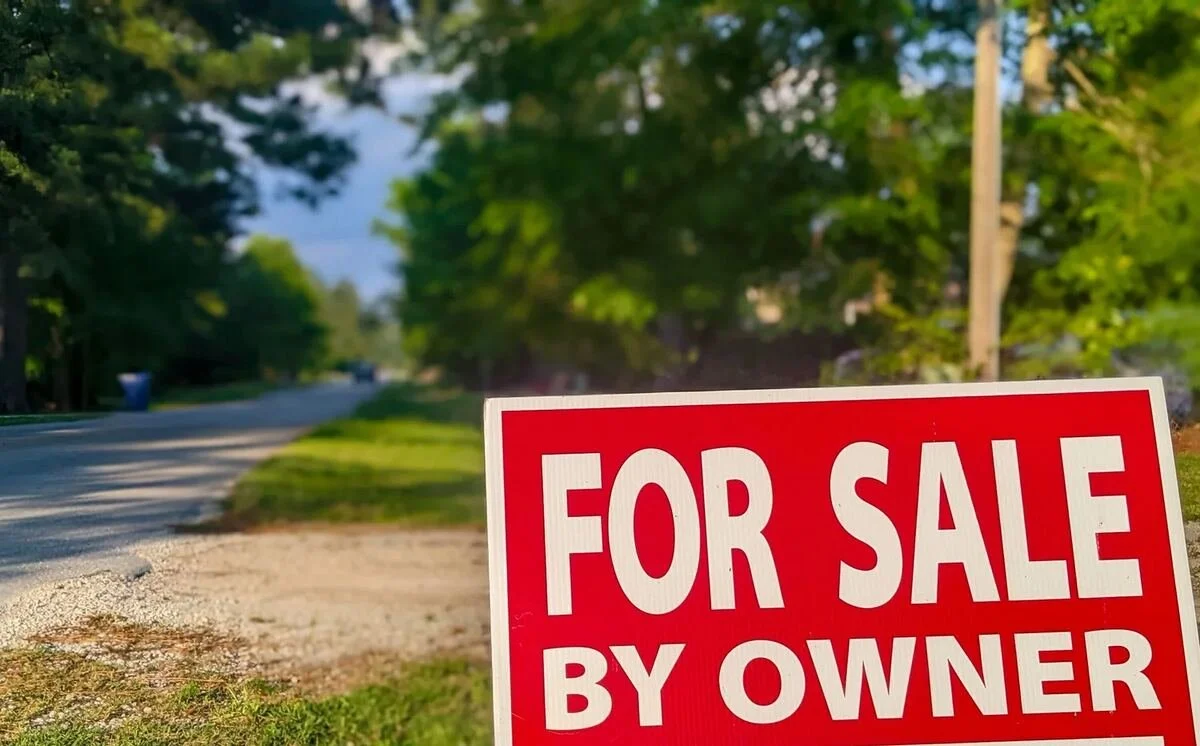
For Sale By Owner
The minute a homeowner puts a For Sale By Owner sign in the yard, the phone calls begin.
And a whole lot of them are from Realtors®.
"Have you thought about listing with an agent?"
"How long are you going to try selling it yourself?"
"I'd love to show you what I can do."
The seller knows exactly why you're calling.
And if you're the tenth agent to contact them that week, there's a pretty good chance they've already stopped listening.
Here's the problem: Most agents approach a FSBO as a listing they need to win instead of a homeowner they need to understand.
That changes everything.
Why Are They Really Selling Without an Agent?
Yes, commission may be part of it. But don't automatically assume that's the entire reason.
Some homeowners want control. Some have sold homes themselves before. Some believe their property will be easy to sell. Others had a terrible experience with an agent and don't want to repeat it.
Before you explain why they need you, find out why they decided they don't.
Ask.
Listen.
You may learn exactly what you need to know.
If their last agent rarely communicated, don't give them a speech about communication. Communicate.
If they felt pressured by their previous agent, don't pressure them.
If they're convinced they can handle the sale themselves, don't insult them by telling them they can't.
Show them what you bring to the transaction instead.
Be Useful Before You Ask for the Listing
Want to stand out from the other agents calling the seller?
Give them something useful without immediately asking for something in return.
That could be recent neighborhood sales, current competing listings, a seller checklist, information about inspections and appraisals, or a simple explanation of what happens between contract and closing.
You're doing two things.
You're helping the homeowner.
And you're quietly demonstrating that you know what you're doing.
That's a much stronger sales strategy than announcing how wonderful you are.
Ask Better Questions
Instead of launching into a listing presentation, try asking:
How has the response been so far?
Are you getting many showings?
How are you determining whether buyers are financially qualified?
Have you received any offers?
What's been the hardest part of selling it yourself?
And one of my favorites:
What will you do if the home hasn't sold within the timeframe you're hoping for?
Now you're having a conversation instead of making a pitch.
There's a difference.
Don't Attack Their Price
Even if the house is wildly overpriced, walking in and announcing it isn't going to win you many friends.
Remember, you're talking about someone's home.
They remember every dollar they spent on the kitchen, the flooring, the pool, the landscaping, and that bathroom remodel that nearly ended their marriage.
Instead of saying, "You're overpriced," show them the market.
What has sold?
What's currently competing with them?
How long are comparable properties taking to sell?
Have nearby sellers reduced their prices?
Let the numbers tell the story.
Eventually, Reality May Do Some of the Selling for You
Selling a home looks fairly straightforward until you're actually doing it.
Then come the phone calls.
The showing requests.
The no-shows.
The unqualified buyers.
The offers.
The inspections.
The repair requests.
The appraisal.
The financing.
The deadlines.
The title work.
And somewhere around the fourth person who schedules a showing and doesn't bother showing up, selling a house yourself can lose a little of its charm.
That's when the relationship you've built matters.
Don't say, "I told you so."
Ask, "How can I help?"
Follow Up Without Becoming the Agent They Block
There's a difference between professional follow-up and stalking someone with a business card.
Don't call every few days asking the following:
"Ready to list yet?"
Give yourself a reason to contact them.
A nearby home sold.
Inventory changed.
You have updated market information.
Mortgage rates affected buyer activity.
Or you're simply checking to see whether they've run into a question you can answer.
Useful follow-up keeps you relevant.
Annoying follow-up keeps you in their blocked-call list.
Know When It's Time to Ask
Being helpful doesn't mean you can never ask for the listing.
If the homeowner has been trying for several weeks, isn't getting the results they expected, or tells you they're frustrated, the conversation has changed.
You can simply say:
"If you get to the point where you'd rather have someone handle the marketing, showings, negotiations, and transaction details, I'd be happy to sit down with you and show you what I would do differently."
That's enough.
You don't need the hard close.
You've already spent your time demonstrating your value.
Don't Forget They're Potential Buyers, Too
Here's something agents sometimes miss because they're staring so hard at that FSBO sign:
Where is the seller going next?
They may be determined to sell their current home without an agent but perfectly happy to work with a Realtor® when purchasing their next one.
Ask.
A FSBO lead doesn't have to become a listing to become a client.
It could become a buyer, a future seller, a referral—or all three over time.
The FSBO Agent Who Wins Isn't Always the One Who Calls First
Some FSBO sellers will successfully sell their homes without an agent.
Good for them.
Others will eventually decide they want professional representation.
When that happens, they're likely to remember the Realtor® who treated them with respect.
The one who answered their questions.
The one who provided useful information.
The one who didn't tell them they were stupid for trying.
The one who stayed in touch without driving them crazy.
Because working FSBOs isn't really about convincing homeowners that they can't sell a house without you.
It's about showing them why the transaction may be easier, safer, and less stressful with the right professional beside them.
And if you've done that well, when they finally decide they want a Realtor®, you shouldn't have to convince them who to call.