

Real Estate Fraud: Protect Yourself and Your Clients
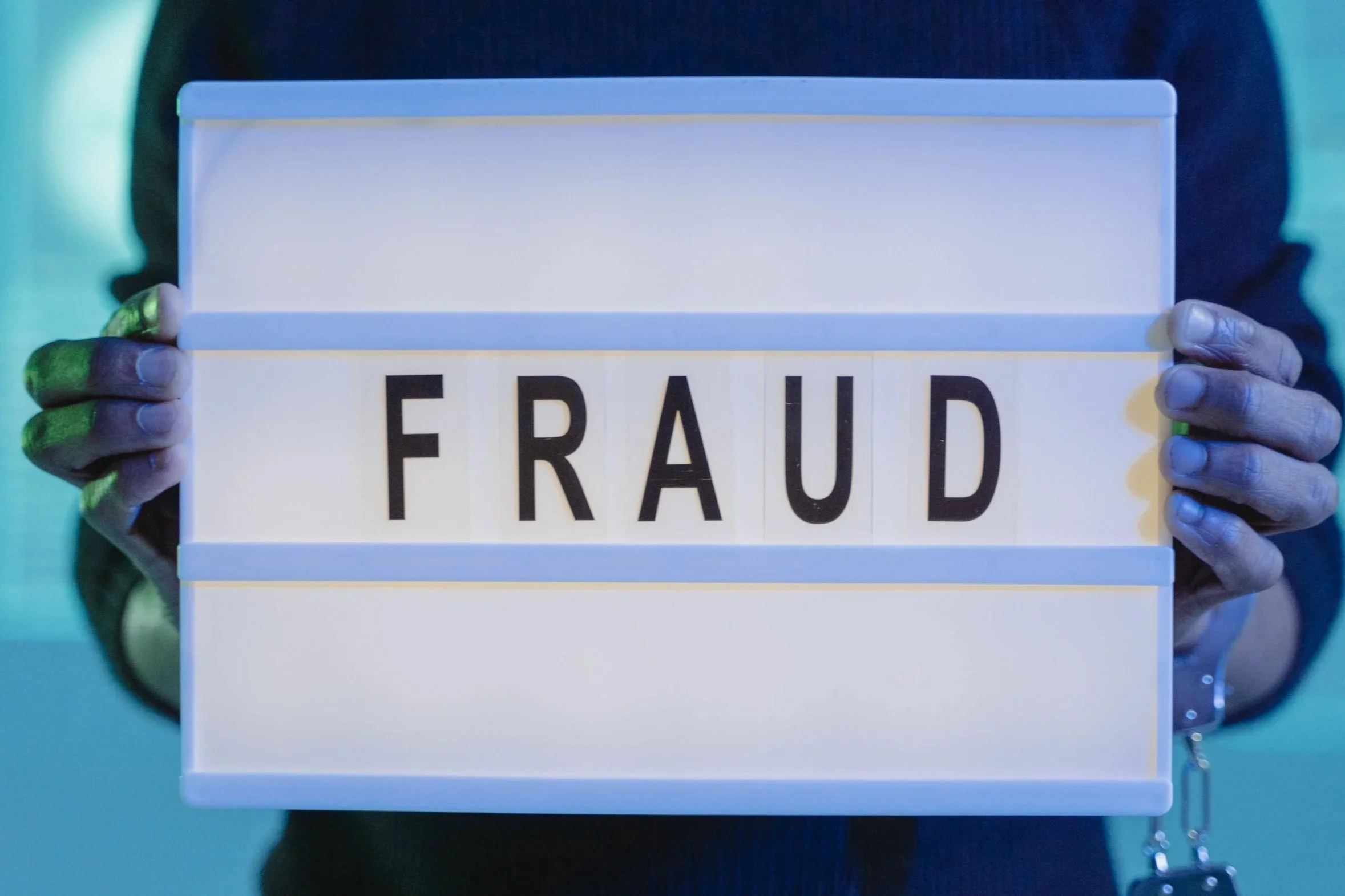
Real estate transactions involve large amounts of money, tight deadlines, multiple parties, and a constant stream of emails, texts, documents, and wire instructions—which unfortunately makes our industry an attractive target for fraud.
The National Association of REALTORS® has created a helpful resource to help real estate professionals prevent, detect, and report fraud. The guide covers common threats, including wire fraud, seller and identity impersonation, mortgage fraud, business email compromise, and the growing use of AI and deepfakes to make scams more convincing.
One of the most important reminders is simple: verify before you trust. Never rely solely on an email or text when confirming someone’s identity, ownership of a property, banking information, payment requests, or wiring instructions. If something changes unexpectedly—or simply doesn’t feel right—stop and independently verify the information using a trusted phone number or contact method.
Fraudsters count on urgency. REALTORS® can help protect themselves and their clients by slowing the transaction down long enough to verify unusual requests before money or sensitive information changes hands.
NAR Fraud Prevention Resource
For additional information, warning signs, prevention tips, and guidance on reporting suspected fraud, visit the National Association of REALTORS®:
Protecting Your Clients and Your Business From Fraud—Prevent. Detect. Report.
This article is provided for general educational and informational purposes only and is not intended as legal, financial, cybersecurity, or professional advice. Real estate professionals should follow their brokerage policies and consult appropriate professionals when fraud is suspected.